Wall Street Looks to Zillow, Rocket Mortgage Earnings for Clues on K-Shaped Housing Market
Many COVID real estate hot spots, such as Austin and Boise, have watched their housing markets flatten or reverse in the years since.
Sign up for smart news, insights, and analysis on the biggest financial stories of the day.

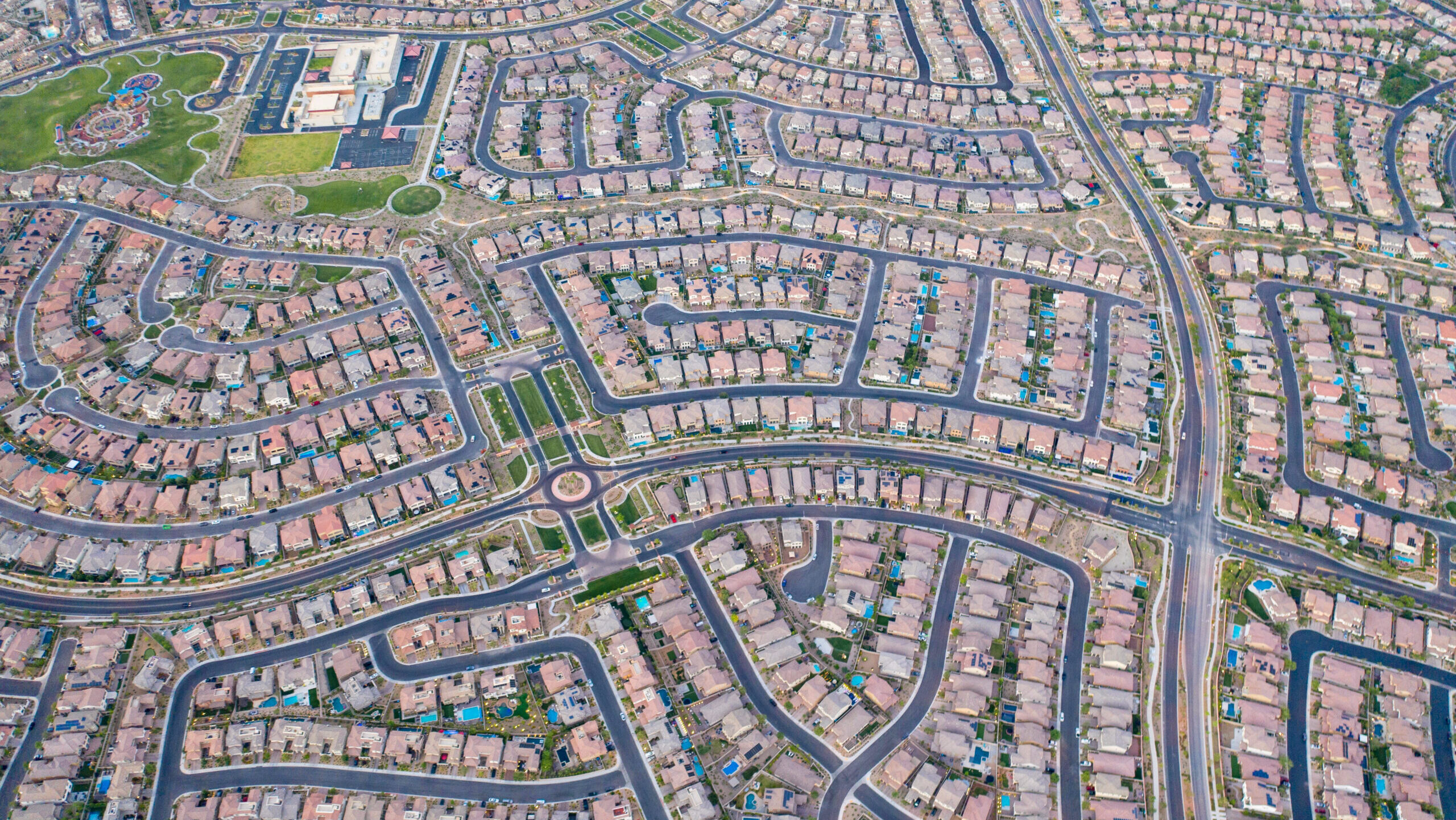
It turns out that in Las Vegas, the house doesn’t always win.
At least, not in this real estate market. Once branded a “pandemic boomtown,” Sin City recently experienced the largest drop in home prices of any major city across the country, falling 1.9% year-over-year, according to the latest figures from the S&P Cotality Case-Shiller Index. What happens in Vegas isn’t staying in Vegas: Many of the places that became popular during the COVID-19 shutdowns, such as Austin and Boise, have watched their housing markets flatten or reverse in the years since.
The pricing turnaround in these Sun Belt favorites points to a larger trend. For many Americans, houses are just too expensive. Ultra-low borrowing costs seen during the pandemic are officially a thing of the past, but inflation is still high, making it difficult for people to afford mortgage payments on top of groceries, gas and other essentials. Wall Street will be closely watching earnings reports from Zillow, Rocket Companies (parent of Rocket Mortgage) and Opendoor this week for insight into the housing market.
Stacked Deck
In today’s K-shaped economy, plenty of luxury housing markets are doing fine. Atherton, a residential town in Silicon Valley that’s been attracting wealthy techies, recently surpassed Miami’s Fisher Island as the most expensive ZIP code in the US. Tack on the fact that first-time home buying recently dropped to a record low, and there’s a clear divide between Americans constrained by borrowing costs and Americans who aren’t.
Meanwhile, housing inventory, a lack of which has long been weighing on the US housing market, is finally ticking up. But the houses hitting the market aren’t ones that the typical American can afford. Middle-income households earning roughly $75,000 annually can only access about a quarter of listings, according to a recent report from the National Association of Realtors and Realtor.com.
Enter homebuilders:
- Major national homebuilders like D.R. Horton and Lennar can sweeten the deal of building a home instead of buying an existing one by offering incentives like mortgage-rate buydowns. They can also build smaller homes on less expensive land. The National Association of Home Builders (NAHB) reported that in the first quarter of the year, the median price of a new single-family home was $1,400 lower than that of an existing home.
- As with many aspects of the housing market, it’s not necessarily a clear-cut story. Economic uncertainty and affordability concerns are still weighing on builder confidence.
Playing the Cards Right: D.R. Horton’s fiscal third-quarter results illustrate the mixed state of the housing market. While the homebuilder reported higher-than-expected earnings, it also cut its forecast, citing affordability constraints. The company’s rival Lennar cut its full-year target for home deliveries, noting geopolitical uncertainty and high interest rates.
Recent News

-

Photo illustration by Connor Lin / The Daily Upside







-
Bond Market Drives Long-Term Treasury Yields to 19-Year High, Shrugging Off Hesitant Fed

Photo via Li Yuanqing / Xinhua News Agency/Newscom