Bitcoin ETFs Lost $4.3B in Assets Since Mid-May. That May Be the Point
In small amounts, crypto can offer diversification without exposing clients to outsized risk. If it underperforms, the damage is contained.
Sign up for exclusive news and analysis of the rapidly evolving ETF landscape.

No pain, no gain, apparently.
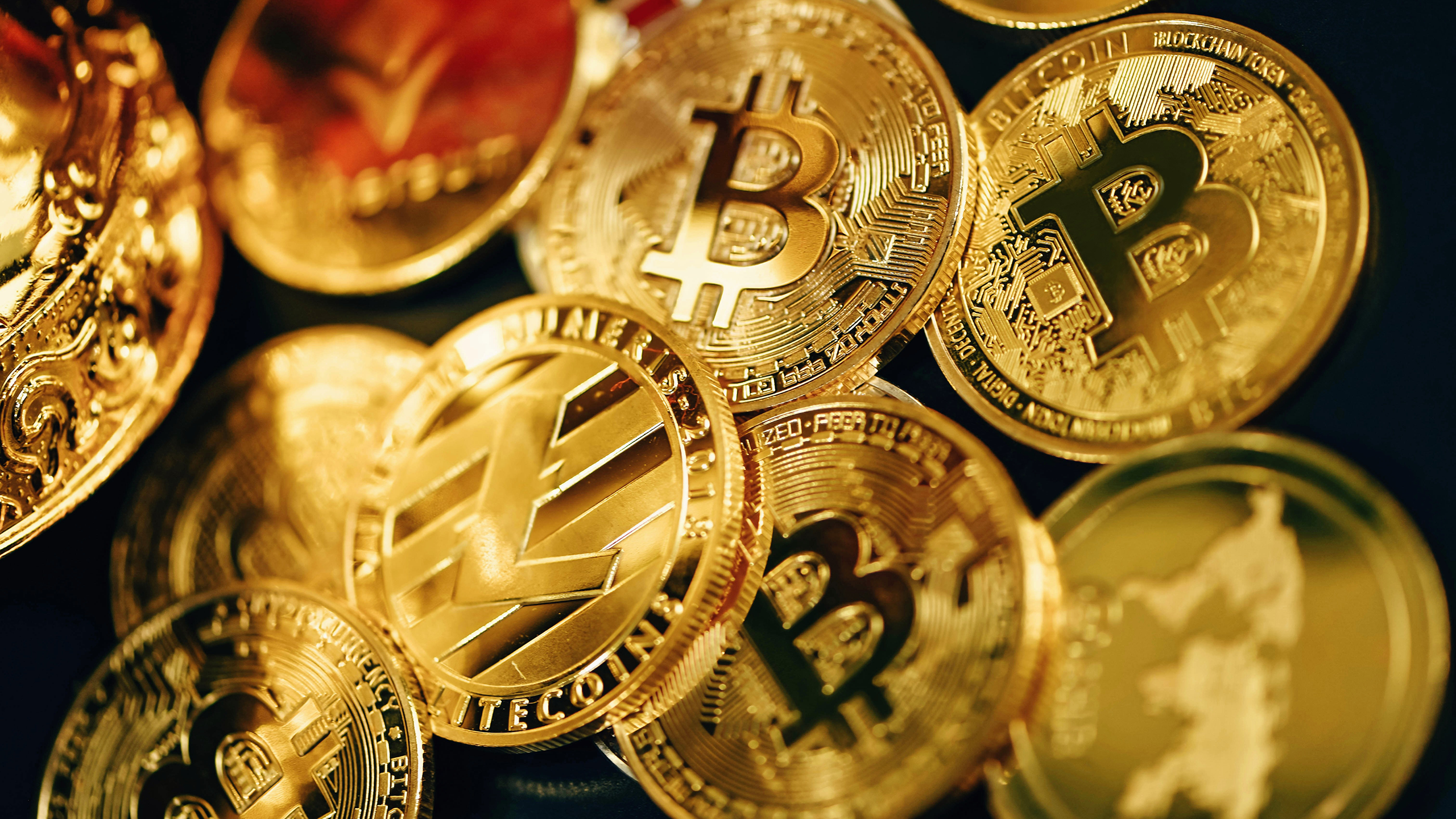
Crypto’s recent price swings have been hard to ignore. Bitcoin has fallen more than 40% over the past year, and since mid-May, spot bitcoin ETFs have lost more than $4.3 billion in assets. Volatility isn’t a flaw, though. It’s the entire appeal, according to industry experts at the ETP Forum in New York City last week. When allocated in small amounts, typically 1% to 5% of a portfolio, crypto can offer diversification benefits without exposing clients to outsized risk, panelists said. And if it underperforms, the damage is contained.
“Volatility is a feature; it’s not a bug,” said Blue Macellari, head of digital assets at T. Rowe Price. “If volatility is low, you sort of have to back the truck up to the asset in order to get an allocation that moves the needle.”
Adoption Plan
Over roughly the past decade, crypto has gone from a “what the heck is this” asset class to a, well, still kind of “what the heck is this” asset class, but one that many more people want to actually own. The global crypto market now exceeds $2 trillion, the White House and SEC have championed digital assets and major issuers have rolled out crypto ETFs. Plenty of advisors are onboard, too:
- Roughly one-third of advisors invested in crypto for client accounts last year, up from 22% in 2024, according to a Bitwise survey.
- More than half report owning crypto personally, marking the highest level of ownership since the survey began in 2018.
Still, hesitation remains, with complexity as a major barrier. When bitcoin dominated the market narrative, allocation decisions were relatively straightforward. Now, with assets like Ether, Solana and others competing for attention, crypto is increasingly viewed less as a single trade and more as a multi-asset ecosystem. Plus, crypto markets run 24/7, adding another layer of operational and behavioral complexity for wealth managers. “Advisors have moved beyond bitcoin and a couple of names,” Macellari said. “Now they’re going to need help figuring out how to put together a portfolio.”
One audience member at the forum simply asked why advisors should allocate to crypto if the price of bitcoin has fallen so far. “Do you know what the single best-returning asset across multiple time frames is over the last 15 years?” another executive responded. “Bitcoin.” There’s some nuance to that, though. While bitcoin has the potential to continue outperforming, its impressive returns are partly a result of its launching less than 20 years ago at effectively $0.
Token Talk: Beyond portfolio construction, panelists pointed to tokenization, the representation of real-world assets and securities on blockchain networks, as one of crypto’s most important innovations. Token transfers can happen almost instantly and cost a fraction of a cent, compared with traditional cross-border money transfers that can take days and cost up to $50, Macellari said. Over the next three to five years, many investors will likely hold tokenized assets even if they don’t realize it. “These are turning out to be the first killer apps for crypto,” she said.
Recent News
-
IRS, Treasury Cast Doubt on Dividend-Skipping ETFs’ Future

Photo via imageBROKER/McPHOTO / Dirk Skorski/Newscom




-

Photo via Burt Granofsky/Cal Sport Media/Newscom




-
Photo via PARAMOUNT PICTURES / Album/Newscom