Will Apple’s CEO Pick ‘Change Everything?’
Considering Ternus’ timing, his first time taking the stage as CEO will likely be to introduce the next generation of iPhones this fall.
Sign up for smart news, insights, and analysis on the biggest financial stories of the day.

Apple’s entering a new era 50 years after its founding. Whether it’ll be a midlife crisis or a renaissance will depend on its new leader.
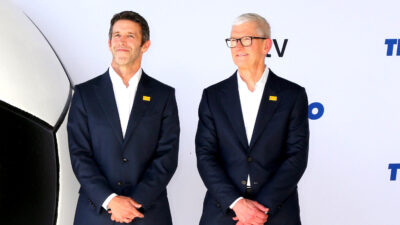
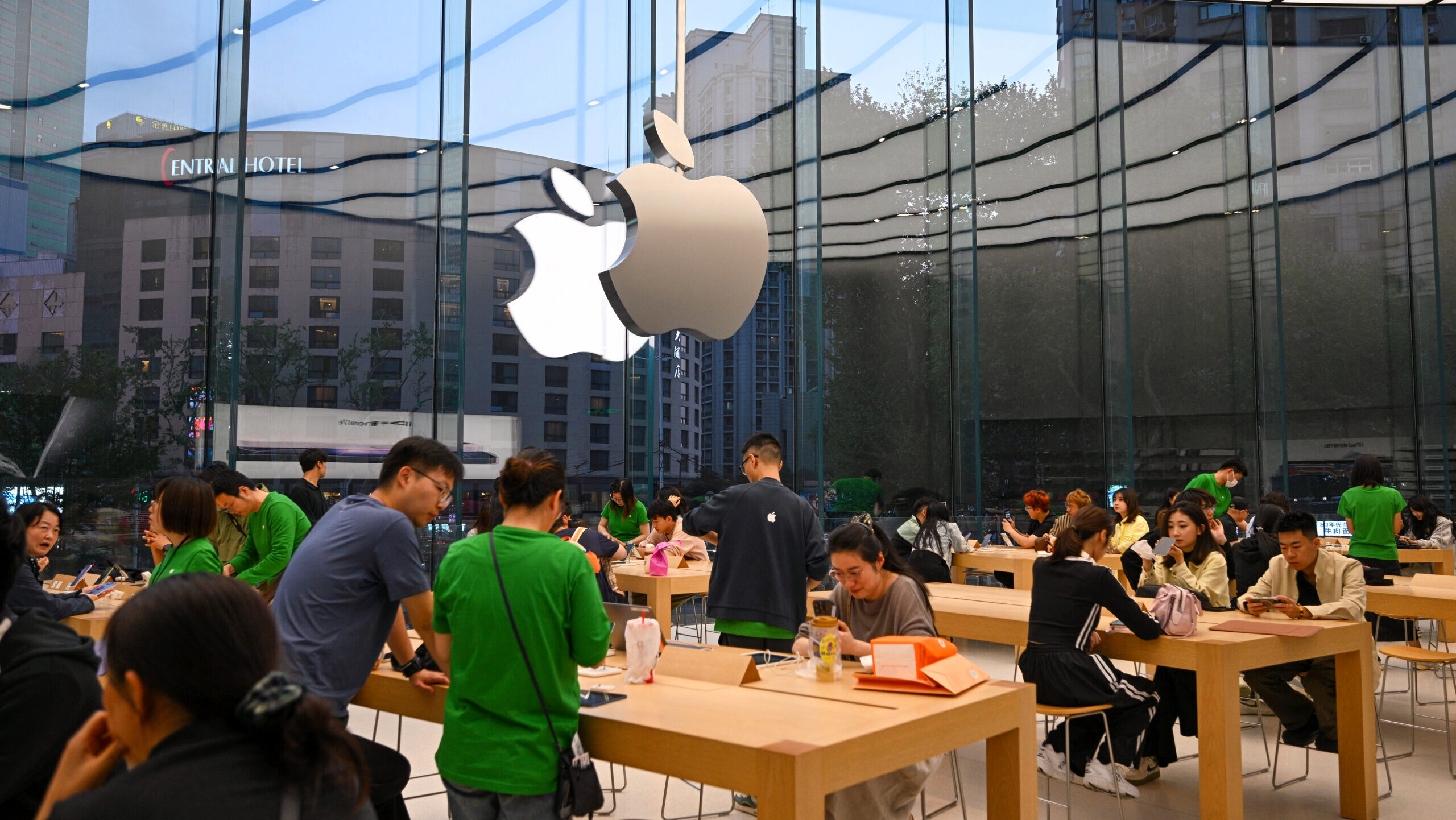
After 15 years at the helm, during which Apple’s market cap rose from $350 billion to $4 trillion, Tim Cook will transition later this year to executive chairman, and John Ternus will take his place as CEO. Cook’s predecessor, Steve Jobs, brought his vision and a suite of products that’ve stood the test of time, even if today’s iMacs look a little different from their colorful clamshell ancestors. Cook turned that vision into an uber-profitable business.
But while Cook’s praised for his financial finesse, he’s been criticized for a lack of product innovation, with Apple recently struggling to roll out competitive AI capabilities. Ternus, who’s currently the senior vice president of hardware engineering, could change that.
The Task of Thinking Differently
Apple’s current and previous CEOs both cultivated the company according to their strengths. With Ternus, that could mean applying his tech-spertise as Apple’s head hardware exec to product innovation in the AI era:
- Considering Ternus’ timing, his first time taking the stage as CEO will likely be to introduce the next generation of iPhones this fall. The lineup’s rumored to include a long-awaited foldable device to compete with offerings from Samsung and China’s Huawei. Ternus has already begun to emerge from Cook’s shadow, leading media efforts to introduce the $599 MacBook Neo.
- Manufacturing the products Ternus will soon be the face of could get more complicated as Apple tries to extract its supply chain from China. As of early last month, Bloomberg reported that one in four iPhones was made in India. But while iPhones can be assembled in the South Asian nation, advanced components still count on China’s industrial expertise. Cook started the shift away from Chinese dependence and will be counting on Ternus to keep it going.
Getting Siri-us: Despite Apple’s struggle to meaningfully integrate AI into its products (a slightly smarter Siri doesn’t cut it), Apple’s hardware has benefited from the AI boom. Mac Minis sold out last week as buyers scooped up the compact PCs to run OpenClaw. Looking ahead, Apple’s working on a small wearable AI pin that might help it dominate the emerging market for ambient AI devices. While OpenAI is working on a wearable device of its own, and Meta has its smart glasses, the advanced supply network Cook labored to build could give Apple an edge in getting advanced devices to market.
Recent News
-

Photo illustration by Connor Lin / The Daily Upside, Photo via Chelsea Blair/Sipa USA/Newscom


-
Dell Buoys AI Trade Amid Looming Chip Shortages

Photo via Simon Shin / SOPA Images/Sipa USA/Newscom